

What Is Pipe Relining, and Why Is It Important?
If you’ve searched for a solution to a damaged or leaking pipe in your Philadelphia home, you’ve likely come across terms like pipe relining, trenchless pipe repair, and no-dig pipe repair. Understanding what these methods involve, and when they’re the right call, can save you from a costly mistake.
At Boss Plumbing & Heating, we’ve served homeowners and businesses across Philadelphia, Bucks County, and Montgomery County for over 10 years. We’re a registered master-licensed plumber, and we believe in giving honest assessments, not sales pitches. We’ll break down what relining is, how it works, and how we determine if it’s right for your situation.
TL;DR
Pipe relining is a trenchless method of repairing damaged pipes from the inside without excavation. It has legitimate uses, but it isn’t appropriate for every pipe problem.
Key Takeaways
- Pipe relining creates a hardened resin sleeve inside a damaged pipe
- Pipes that are collapsed, severely offset, or heavily deteriorated usually cannot be relined
What Is Pipe Relining?
Pipe relining is a sewer repair technique that restores a damaged pipe from the inside out. It falls under the category of trenchless pipe repair, meaning the work is done with minimal disruption.
The most common form is CIPP pipe lining, which stands for cured-in-place pipe lining. A flexible liner coated in resin is inserted into the damaged pipe, pressed against the interior walls, and then hardened in place. The result is a new pipe formed within the original one.
How Does Pipe Relining Work?
The Basic Process
- Camera inspection — A technician runs a camera through the pipe to assess the damage.
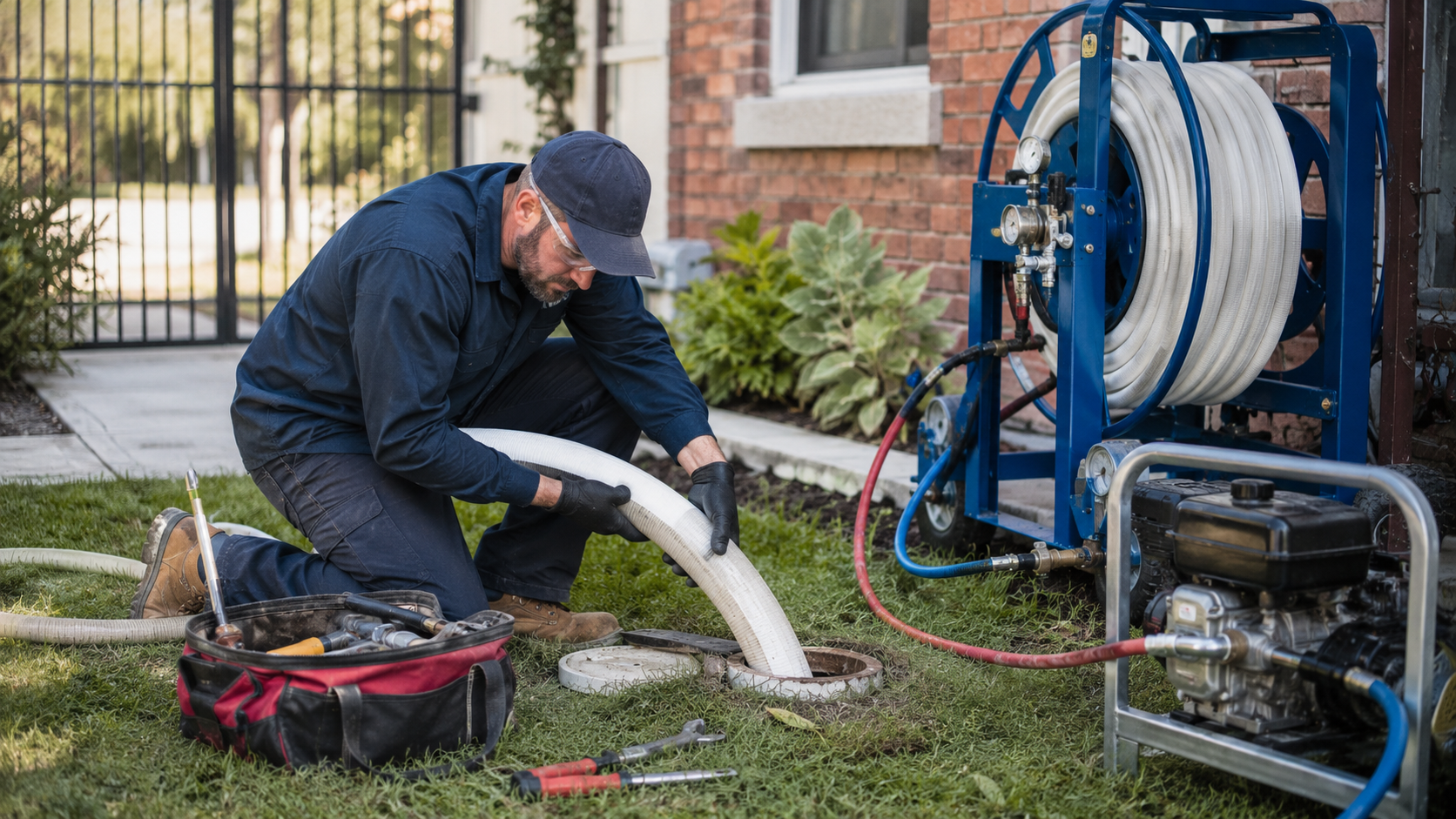
- Cleaning — The pipe is hydro-jetted to remove debris, grease, root intrusion, and buildup.
- Liner insertion — A resin liner is fed into the pipe and positioned over the damage.
- Curing — Heat, steam, or UV light hardens the resin into a rigid sleeve inside the pipe.
- Final inspection — A second camera pass confirms the repair is sealed.
This process can take anywhere from a few hours to a full day, depending on the pipe’s length and condition.
Where Things Can Go Wrong
If the pipe is collapsed, has a significant joint offset, or is too deteriorated to hold a liner in place, the repair will not hold. The liner can delaminate, fail to cure properly, or leave gaps. This puts the homeowner back to square one. That’s why a thorough camera inspection is non-negotiable.
When Pipe Relining Is Not the Right Answer
No-dig pipe repair is not a universal solution, and recommending it when it isn’t appropriate would not serve you well. Relining is not suitable when:
- The pipe has collapsed or has significant joint displacement
- Root intrusion has compromised the pipe wall
- The pipe diameter is too small or irregular for a liner
- Multiple sections along the same run need repair
- The pipe material is incompatible with resin adhesion
Older Philadelphia rowhomes and many properties throughout Montgomery County and Bucks County often have cast-iron or clay pipes that have deteriorated too much for repair. In those cases, traditional replacement is the right answer.
How Our Plumbers Determine the Right Solution
At Boss Plumbing & Heating, we don’t upsell. Our goal is to fix the issue for good. Our licensed technicians assess each situation honestly, explain your options clearly, and get it right the first time. Our work is backed by labor warranties, and many of the products we install also carry manufacturer warranties for additional peace of mind.
If you are dealing with a damaged pipe and want a straight answer about your options, call us. A live person will answer, and we can schedule a free estimate at your convenience.
FAQs
Is pipe relining the same as pipe replacement?
Relining is a repair method that inserts a resin liner inside a damaged pipe and hardens it in place. Traditional replacement involves removing the damaged pipe and installing a new one. It is often a better option for pipes that are no longer structurally sound.
Does pipe relining work for older Philadelphia homes?
CIPP pipe lining requires the existing pipe to have enough structural integrity to hold the liner in place. When a pipe is too deteriorated, trenchless pipe relining is not a reliable fix. A camera inspection is the only way to determine whether a pipe is a viable candidate.
How long does pipe relining last compared to pipe replacement?
Trenchless relining can last 25 to 50 years when installed in the right conditions. A new pipe installed through traditional replacement can last just as long or longer, with no dependence on the condition of the original host pipe.
Is pipe relining cost less than replacement?
Not always. Cost varies based on pipe length, diameter, accessibility, and the extent of the damage. For longer runs, complex damage, or pipes that require rework, the cost can approach or exceed replacement. At Boss Plumbing & Heating, we provide free estimates so you can compare options before making a decision.
Get an Honest Assessment from Boss Plumbing & Heating
If you have a damaged or failing pipe, the most important first step is an accurate diagnosis. Boss Plumbing & Heating has been serving Philadelphia, Bucks County, and Montgomery County for over 10 years. We are a registered master-licensed plumber with five trucks in service, 24/7 emergency availability, and a commitment to transparent service.
Call us today and a live person will answer. We’ll assess your situation, explain your options clearly, and give you a free estimate with no hidden fees!